
4Pcs Engine Motor Mount Kit Set For Chevrolet Traverse For GMC Acadia 2009-2015
95,64 $US-8%103,63 $US
Spécifications clés
- Brand
- happy19star
- Condition
- New
- Country of Origin
- US
- Has OE
- Non
- Manufacturer Part Number
- HP91602
Détails complets du produit
Spécifications
| Attributs du produit: Brand | happy19star | Attributs du produit: Condition | New |
|---|---|---|---|
| Attributs du produit: Country of Origin | US | Attributs du produit: Has OE | Non |
| Attributs personnalisés: Brand | happy19star | Attributs personnalisés: Manufacturer Part Number | HP91602 |
| Attributs personnalisés: Interchange Part Number | 3209 3208 3141 3191 | Attributs personnalisés: Placement on Vehicle | Front, Rear |
| Attributs personnalisés: Material | Aluminum | Attributs personnalisés: Items Included | Engine Mount |
| Attributs personnalisés: Type | Engine Mount Kit | Attributs personnalisés: Number in Pack | 4 |
| Attributs personnalisés: OE/OEM Part Number | A5548HY A5549HY A5458HY A5444 | Attributs personnalisés: Manufacturer Warranty | 1 Year |
| Attributs personnalisés: spec | 4Pcs Engine Motor Mount Kit Set For Chevrolet Traverse For GMC Acadia 2009-2015 | Détails du produit: Pièce universelle | Non |
Compatibilité

| Année | Marque | Modèle | Moteur | Position | Remarque |
|---|---|---|---|---|---|
| 2012 | Chevrolet | Traverse | 3.6L 3564CC V6 GAS DOHC Naturally Aspirated | - | - |
| 2015 | Chevrolet | Traverse | 3.6L 3564CC V6 GAS DOHC Naturally Aspirated | - | - |
| 2011 | Buick | Enclave | 3.6L 3564CC V6 GAS DOHC Naturally Aspirated | - | - |
| 2013 | GMC | Acadia | 3.6L 3564CC V6 GAS DOHC Naturally Aspirated | - | - |
| 2013 | GMC | Acadia | 3.6L 3564CC V6 GAS DOHC Naturally Aspirated | - | - |
| 2010 | Saturn | Outlook | 3.6L 3564CC V6 GAS DOHC Naturally Aspirated | - | - |
| 2013 | Chevrolet | Traverse | 3.6L 3564CC V6 GAS DOHC Naturally Aspirated | - | - |
| 2013 | GMC | Acadia | 3.6L 3564CC V6 GAS DOHC Naturally Aspirated | - | - |
| 2013 | Chevrolet | Traverse | 3.6L 3564CC V6 GAS DOHC Naturally Aspirated | - | - |
| 2009 | Saturn | Outlook | 3.6L 3564CC V6 GAS DOHC Naturally Aspirated | - | - |
| 2011 | GMC | Acadia | 3.6L 3564CC V6 GAS DOHC Naturally Aspirated | - | - |
| 2011 | Chevrolet | Traverse | 3.6L 3564CC V6 GAS DOHC Naturally Aspirated | - | - |
| 2010 | GMC | Acadia | 3.6L 3564CC V6 GAS DOHC Naturally Aspirated | - | - |
| 2012 | Chevrolet | Traverse | 3.6L 3564CC V6 GAS DOHC Naturally Aspirated | - | - |
| 2017 | Chevrolet | Traverse | 3.6L 3564CC V6 GAS DOHC Naturally Aspirated | - | - |
| 2013 | GMC | Acadia | 3.6L 3564CC V6 GAS DOHC Naturally Aspirated | - | - |
| 2015 | Buick | Enclave | 3.6L 3564CC V6 GAS DOHC Naturally Aspirated | - | - |
| 2009 | GMC | Acadia | 3.6L 3564CC V6 GAS DOHC Naturally Aspirated | - | - |
| 2006 | GMC | Sierra 2500 HD | 6.0L 5967CC V8 GAS OHV Naturally Aspirated | - | - |
| 2010 | Chevrolet | Traverse | 3.6L 3564CC V6 GAS DOHC Naturally Aspirated | - | - |
Description du produit
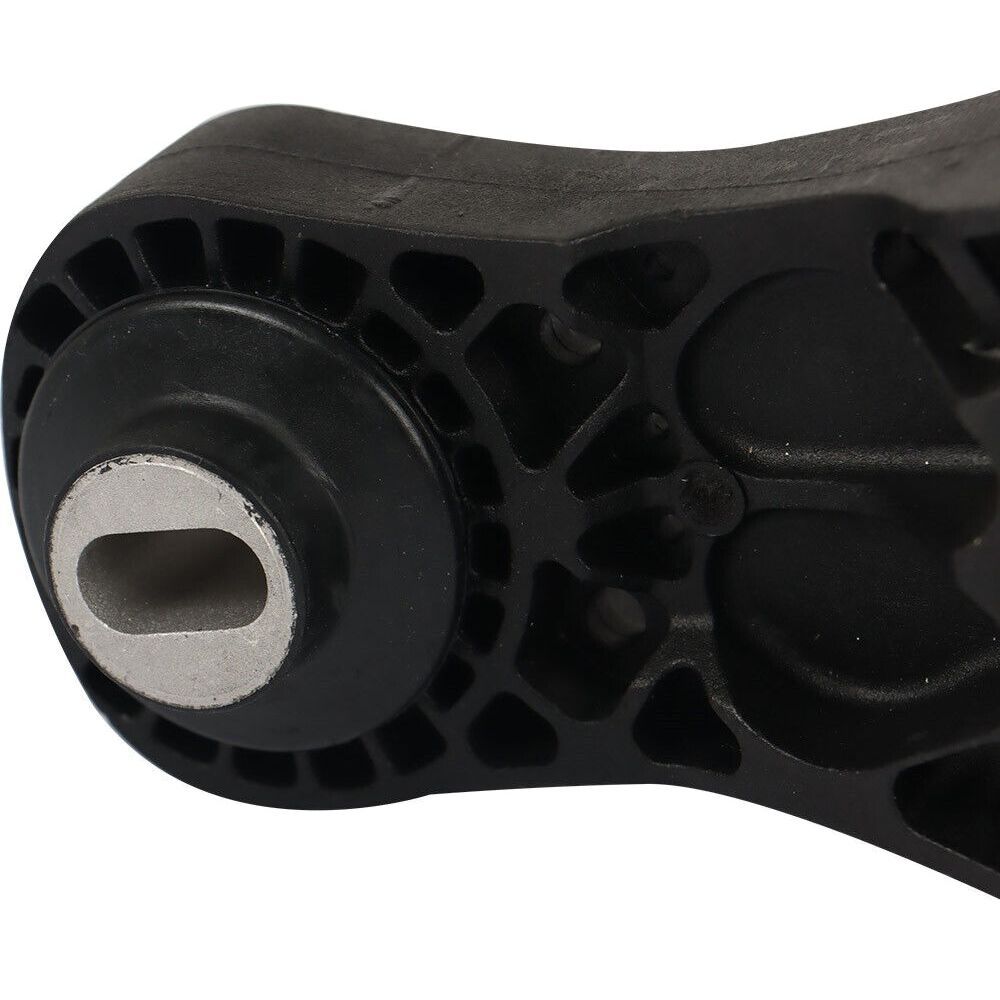
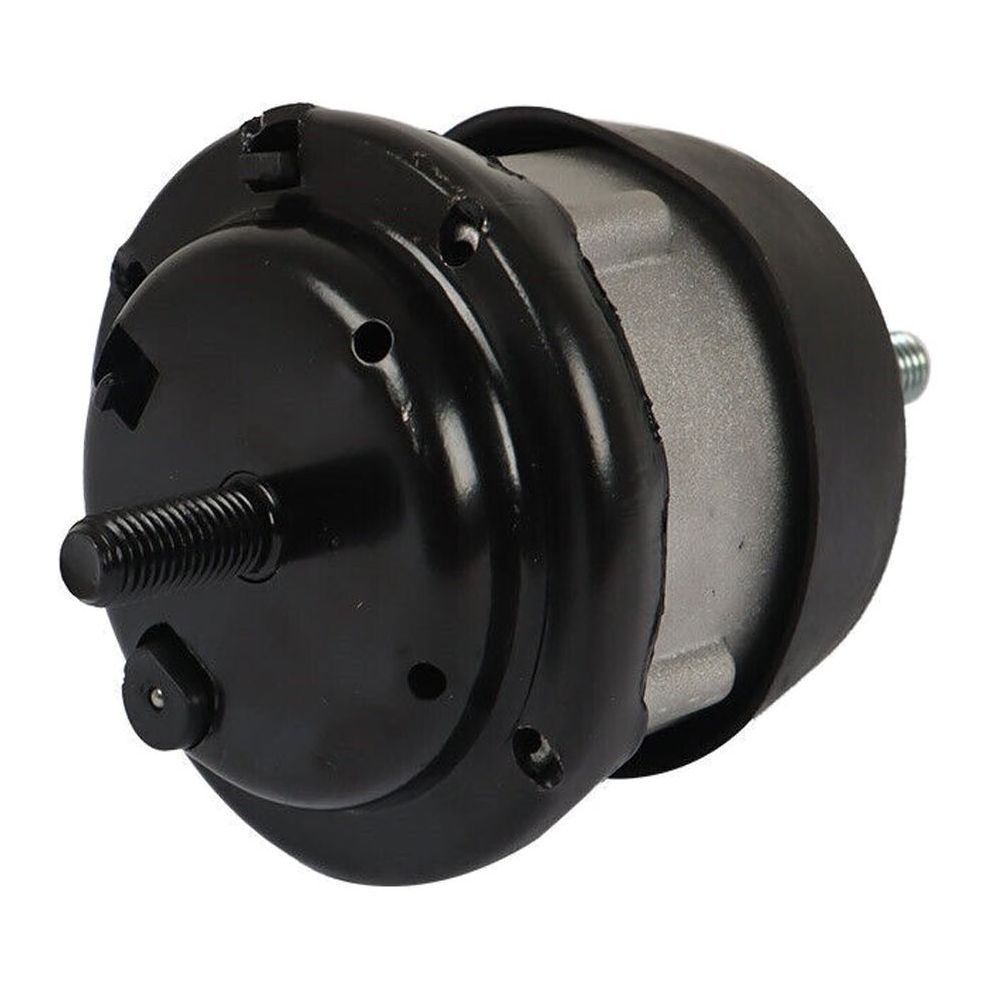
Fitment: For 2009-2017 Buixck Enclave 3.6L for Auto Trans For 2009-2017 Chevrolet Traverse 3.6L for Auto Trans For 2009-2016 GMC Acadia 3.6L for Auto Trans For 2017 GMC Acadia Limited 3.6L for Auto Trans For 2009-2010 Saturn Outlook 3.6L for Auto Trans Description: The engine motor and transmission mounts absorbs noise and vibrations from the engine and transmission while securing them in place. Having put through constant pressure, these mounts do not last forever and will need replacing after some time An engine mount doesn't need any maintenance or regular servicing. It only needs to be replaced when it fails or wears out How long can an engine mount last? In some cars, engine mounts can last the life of the vehicle. We see the most of the problems with engine mounts starting to show in 5-7 year-old vehicles. Transmission mounts last longer Engine mount problems: 1. The most common problem with the engine mount is when the rubber part breaks or separates or when liquid starts leaking out of the liquid-filled mount 2. Common symptoms of a failed engine mount is the increase in engine noise and vibration felt inside the car. Often, the excessive vibration is more noticeable at idle with the transmission engaged. For example, in some 07-08 Honda Civic models, a failing passenger side mount can cause a vibration and growling noise felt in Reverse when the engine is started cold. In some cars, a failed engine mount can cause vibration felt in the steering at idle when the transmission is in Drive. The vibration disappears when shifted to Neutral. A bad transmission mount may also cause squeaking when shifting gears. For example, in some Mazda cars with a manual transmission, a rubber insert inside the transmission mount may cause squeaking when starting the engine or shifting gears. In some cars, a bad engine mount can cause rattling noise when the engine is started or shut down How a failed engine mount is diagnosed: 1. Visible signs of a failed engine mount include cracks, tears and separation in the rubber, as well as leaking liquid 2. When a bent or damaged pipe touches one of the chassis components, it also creates vibration and rattling noise when shifted to Drive or Reverse noticeable inside the car 3. Often, when one of the mounts is bad, an engine may appear seating lower on the side of the bad mount 4. When one engine mount goes bad, it adds more strain on all other mounts. For this reason, it's not uncommon to see two mounts that need replacement at the same time Installation Steps: Follow the steps below for some handy tips for replacing engine mounts. Inspecting and replacing worn or broken engine and transmission mounts will help the rubber meet the load Step 1: Check for clearance against the firewall before attempting to raise the engine. Tearing radiator hoses, crimping AC lines or cracking distributor caps should be avoided Step 2: Secure the engine on a with various blocks of wood. Never an engine directly by the oil pan. The pan will bend and rupture Step 3: Loosen the engine from the mount bolts. Sometimes a long extension and universal joint is the way to go Step 4: Next, crawl under the vehicle and loosen the mount-to-frame bolts Step 5: engine a little at a time and remove the motor mount Step 6: Compare the old and new motor mounts. Transfer any heat or drip shields to the new mount Step 7: Thread in the mount-to-frame bolts before lowering the engine. This will simplify mount alignment Step 8: Lower the engine and fully tighten all bolts Step 9: Front-wheel-drive vehicles often have third "dog-bone" motor mounts Package Include: 1 EMT3209 / A5549HY / 3209 / EM-4037 - Front Motor Mount - Hydraulic with vacuum pin 1 EMT3208 / A5548HY / 3208 / EM-4035 - Rear Motor Mount - Hydraulic 1 EMT3191 / A5458HY / 3191 / EM-4036 - Transmission Mount - Hydraulic 1 EMT3141 / A5444 / 3141 / EM-3141 - Rear Torque Strut Mount W/o Product Instruction